What is a Duct, and Why Do Buildings Need It?
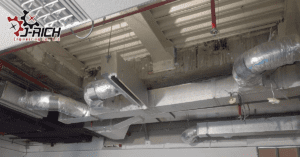
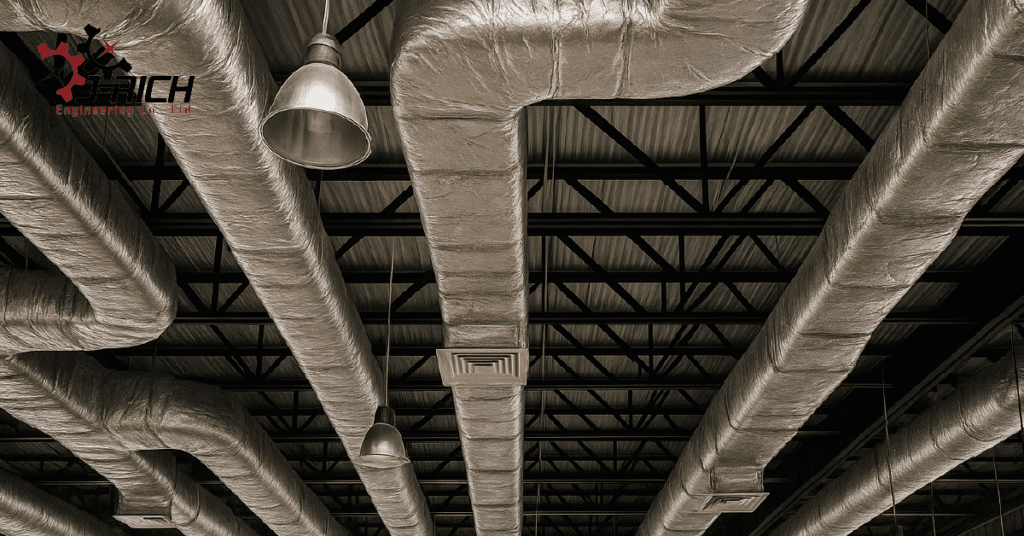
Ductwork is a system of ducts used to deliver air from the air conditioning unit to various areas within a building, and to return air from those areas back to the unit for proper air circulation.
For office buildings, hotels, factories, or shopping malls, ductwork is considered the backbone of the HVAC system, as it helps regulate temperature, humidity, and overall air quality to ensure a comfortable and healthy indoor environment.
Types of Ductwork Materials and Their Advantages & Disadvantages
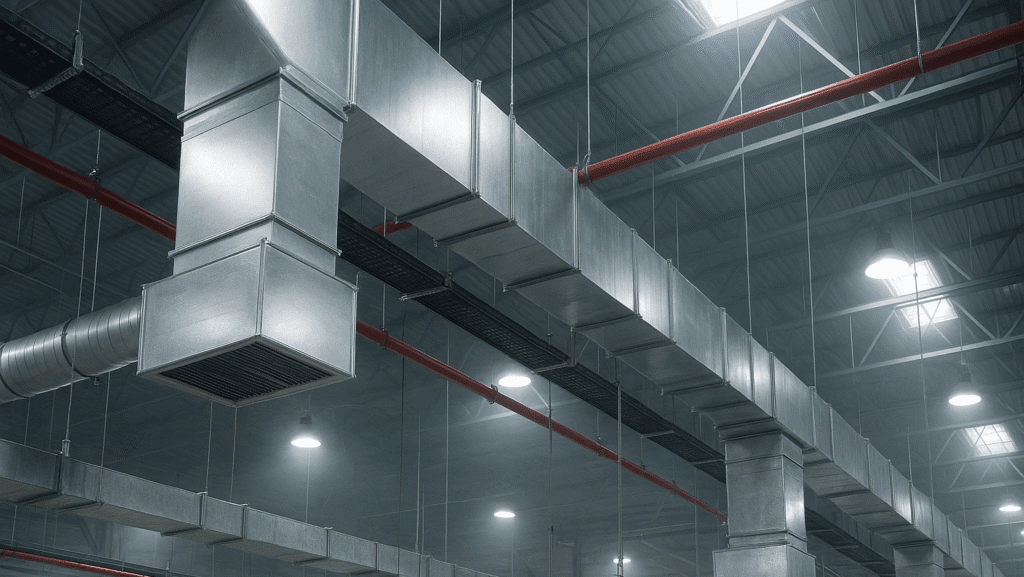
- Galvanized Steel Duct
- Advantages: Strong, durable, long-lasting, and able to withstand high pressure.
- Disadvantages: Heavy, difficult to install, and may rust if the galvanization is poor or if there are scratches.
- Aluminum Duct
- Advantages: Lightweight, rust-free, suitable for areas where reducing structural weight is important.
- Disadvantages: More expensive than steel and can be easily dented.
- Fiberglass Duct Board
- Advantages: Functions as both duct and insulation, helps reduce noise, and minimizes cooling loss.
- Disadvantages: Requires careful installation to prevent fiber particles from spreading into the air.
- Fabric Duct
Advantages: Lightweight, easy to install, and easy to clean.
Disadvantages: Cannot withstand high pressure; best suited for large open spaces.
Choose Materials to Suit the Building Type
- Office Buildings and Hotels: Typically use galvanized steel or aluminum ducts for durability and aesthetics.
- Industrial Factories: Choose materials based on specific usage—aluminum for corrosion resistance or galvanized steel for high-pressure durability.
- Shopping Malls/Showrooms: Fabric ducts may be used in open spaces where quick installation is required.
Which duct materials can actually help save energy?
- Choose materials with built-in insulation or add external insulation to prevent cooling loss.
- Use smooth-surfaced materials to reduce air resistance, allowing fans to consume less energy.
- Follow established design standards such as ASHRAE and SMACNA to ensure maximum system efficiency.
Tips for Cost-Effective Ductwork Installation
- Design duct routes to be as short and with as few bends as possible to minimize pressure loss.
- Inspect joints and seal them with proper leakage-prevention materials.
- Plan regular maintenance to maintain efficiency and extend service life.
Conclusion
The selection of ductwork materials is not merely a matter of cost but also involves durability, safety, and long-term energy expenses. Building owners should consider the type of application, expected service life, and international standards to ensure the most cost-effective system.
References
- ASHRAE – American Society of Heating, Refrigerating and Air-Conditioning Engineers: [ ashrae.org ]
- SMACNA – Sheet Metal and Air Conditioning Contractors’ National Association: [ smacna ]
- Fiberglass Duct Board Installation Guide – Johns Manville: [ jm.com ]
- HVAC Ductwork Types and Materials – Energy.gov: [ energy.gov ]
- Ductwork Installation Standards – Air Conditioning Engineering Association of Thailand: [ satc.or.th ]