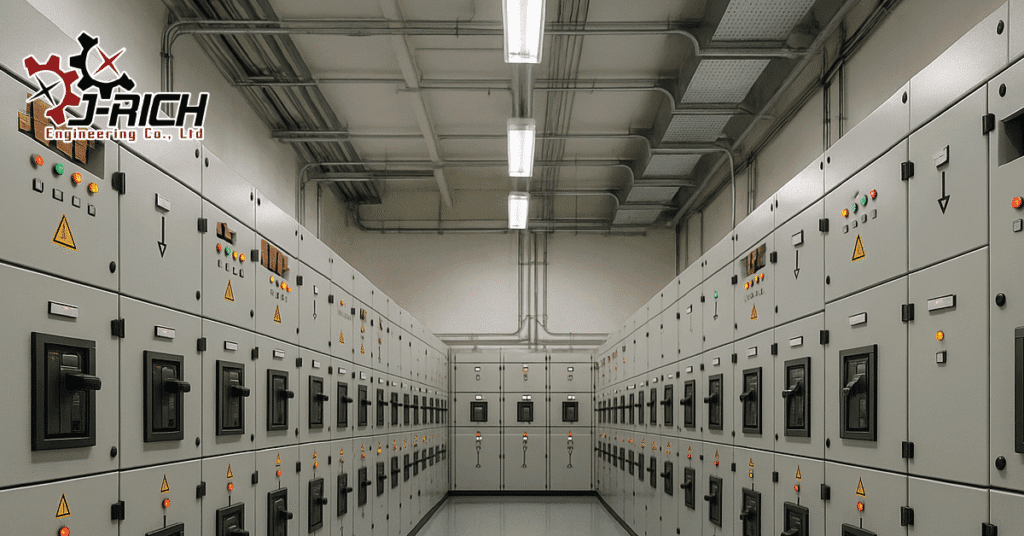
The electrical system is like the lifeblood of a building or factory.
If it is not designed efficiently, it can negatively impact operating costs, safety, and business growth — leading to high electricity bills, frequent power outages, emergency repairs, or premature equipment failure.
By investing in a well-designed electrical system from the start, you can save on long-term costs and achieve your business goals more effectively.
What is electrical system design?
Electrical system design is the process of planning and selecting equipment so that the system operates safely, conserves energy, and supports real-world usage. Key considerations include:
Load Calculation – accurately estimating the electrical load requirements
Equipment Selection – choosing certified and standardized components
Future Expansion – designing with flexibility to accommodate growth
Why should building and factory owners pay attention?
Save 10–20% on electricity costs annually
Reduce the risk of power outages or electrical fires
Support system expansion without major rework
Enhance credibility in terms of standards and safety
Process of Designing an Efficient Electrical System
Accurate Load Calculation – analyze actual power demand with allowances for future needs
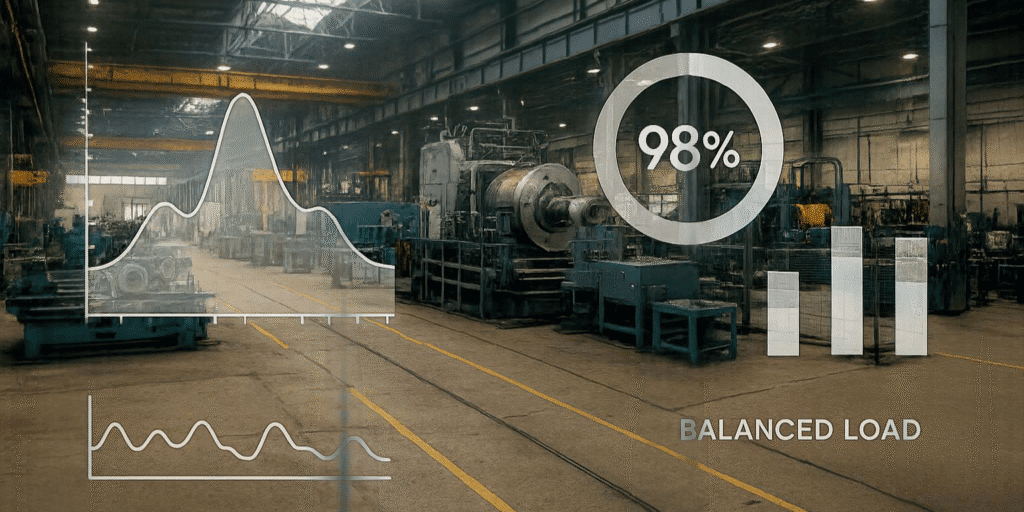
Load Balancing – distribute loads evenly to prevent voltage drops and equipment damage
Standardized Equipment Selection – such as cables, breakers, transformers, and grounding systems
Proper Protection and Grounding Installation – ensure safety and system reliability
Future-Proofing – provide spare conduits, allocate space for new equipment, and integrate smart monitoring systems
Supporting Technologies that Enhance Efficiency
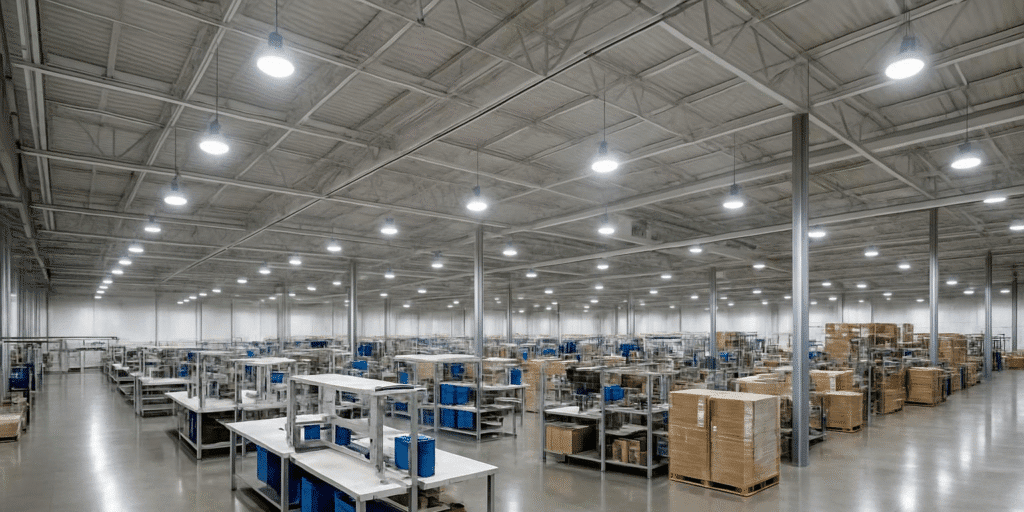
LED Lighting & Smart Illumination Systems – save more than 70% in energy consumption
Capacitor Bank – improve power factor and reduce penalty charges from the utility company
Smart Energy Monitoring / Building Management System (BMS) – track and analyze energy usage in real time
Problems and Hidden Costs of Poor Electrical System Design
Power Factor Penalties – fines charged by the utility company
Abnormal Electricity Bills – caused by unbalanced loads
Repair Costs – for breakers or cables when damage occurs
Rewiring or System Upgrade Costs – required when expanding the system
Examples of Best Practices from Abroad
United States: Uses NFPA 70B, the mandatory standard for preventive maintenance of electrical systems
Europe: Implements the Energy Efficiency Directive (2012/27/EU) to establish a sustainable energy framework
Japan: Requires each factory to appoint a licensed Energy Manager, certified by the government
Practical Tips for Building and Factory Owners
Don’t choose contractors based on price alone — always check their portfolio and licenses
Request a clear Single Line Diagram (SLD) before starting any work
Plan for preventive maintenance from the very beginning
Invest in systems designed for future expansion
Use smart metering for transparency and easier monitoring
Conclusion
A well-designed electrical system for buildings or factories helps business owners save 10–20% on energy costs, reduce the risk of system failures, support future expansion, and enhance safety. With a single investment, you gain long-term benefits.
References
NFPA 70B – Standard for Electrical Equipment Maintenance
Details on preventive electrical system maintenance (Preventive Maintenance) [ edufire.ir ]
Transitioned from a Recommended Practice to a formal Standard in 2023 [ mecojax.com ]
Energy Efficiency Directive (EED 2012/27/EU)
European legal framework on energy efficiency, mandating improvements in energy performance [ wikipedia.org ]